
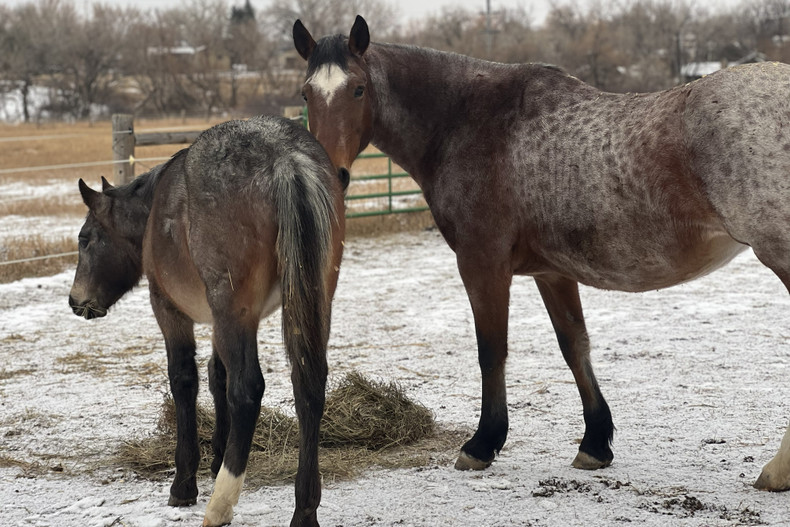
There's a particular kind of quiet that comes with a winter morning at the barn. The ground crunches beneath your boots, your breath hangs in the cold air, and the horses are waiting for breakfast with the same enthusiasm they had when the weather was seventy degrees warmer. They don't seem especially concerned about the temperature, although they may have some opinions about how long it's taking you to open the hay shed.
For those of us who care for horses, winter brings an entirely different rhythm to everyday life. Water tanks need checking, daylight becomes a precious commodity, and the simple act of getting dressed for morning chores can feel like preparing for an expedition. Here in Colorado, where a sunny afternoon can follow a bitterly cold morning, the weather has a way of keeping everyone guessing. Fortunately, horses are remarkably well adapted to cooler temperatures, and much of good winter horse care comes down to understanding what they actually need rather than assuming they experience the cold the same way we do.
One of the most impressive things about horses is their ability to grow a winter coat suited to their environment. As the days grow shorter, many develop thick, insulating hair that helps trap warm air close to their bodies. It's the reason a horse standing comfortably in a snowy pasture might look perfectly content while its owner is bundled in three layers and wondering why they didn't buy warmer gloves. A healthy, unclipped horse that's accustomed to living outdoors often handles cold weather remarkably well, particularly when it has adequate forage and protection from wind and precipitation.
That doesn't mean every horse needs exactly the same care. Age, body condition, health, and the weather itself all influence how well an individual handles the cold. A senior horse struggling to maintain weight, a recently clipped horse, or one without adequate shelter may need additional protection. Blanketing can be useful in those situations, but it isn't automatically necessary simply because the thermometer drops. Wind and wet weather can also make a significant difference, especially when moisture compromises the insulating ability of a winter coat. As with so many aspects of horse ownership, knowing the animal in front of you matters more than following a universal rule.
Of course, no discussion of winter horse care would be complete without mentioning hay. Horses are wonderfully efficient at turning forage into something useful, and the fermentation of fiber in their digestive systems generates heat that helps them stay warm. During particularly cold weather, some horses need additional forage to maintain their body temperature and condition. It's one reason the sound of horses contentedly munching hay on a snowy morning can be so reassuring. It also explains why winter feeding deserves a little extra attention, especially when thick coats make changes in body condition harder to see. Regularly feeling along the ribs and monitoring weight can tell you considerably more than simply admiring how fluffy everyone looks.
Water is another part of winter care that deserves more attention than it sometimes receives. A trough that was perfectly accessible yesterday may be covered in ice this morning, and horses eating dry winter hay still need plenty of clean drinking water. In fact, inadequate water intake during cold weather can contribute to impaction colic, something no horse owner wants to experience. Keeping water accessible, checking heaters and troughs regularly, and paying attention to how much horses are drinking are among the most important winter habits. Some horses also prefer water that isn't icy cold, making temperature another consideration when encouraging adequate hydration.
Then there are all the small details that become second nature after enough winters at the barn. Checking that gates aren't frozen shut, watching for slippery patches around watering areas, keeping up with hoof care, and making sure shelters remain dry and accessible might not sound particularly exciting. But anyone who has navigated a muddy paddock that froze solid overnight knows how quickly ordinary footing can become a challenge. A little extra attention to the environment can make everyday life safer for both horses and the people caring for them.
At Hempward Farms, our connection to horses is a big part of who we are. We understand that caring for them doesn't stop when the weather becomes inconvenient, and that some of the most important decisions we make happen during ordinary feeding times and quiet afternoons at the barn. Good nutrition, fresh water, appropriate shelter, veterinary care, and an understanding of each horse's individual needs form the foundation of responsible care in every season. No supplement or specialty product takes the place of those essentials.
And while winter certainly brings its challenges, there's plenty to appreciate about the season, too. The sight of horses wearing their thick winter coats, the peaceful sound of hay being eaten in a snowy pasture, and those beautiful clear Colorado mornings when the mountains seem especially close are all part of what makes barn life memorable. Even the coldest days have their moments, particularly when the chores are finished and everyone is happily settled.
Perhaps that's what winter with horses teaches us best. Caring for them isn't about having the most elaborate barn or the longest list of supplies. It's about paying attention, anticipating their needs, and showing up every day, even when your fingers are frozen and you'd much rather be inside with a cup of coffee.
From our Colorado farm family to yours, here's to full hay nets, unfrozen water troughs, fuzzy winter coats, and all the little things that make winter at the barn worthwhile.