
About Hemp
About Hemp
Learn more about hemp, its history, and the endocannabinoid system.
What Is Hemp?
Hemp is one of the oldest domesticated crops in the world. It has been used for paper, textiles, and cordage for thousands of years. In fact, one of the oldest known scraps of hemp fabric dates back to 8,000 BC. In 1937, hemp farming was made illegal in the United States.
A form of Cannabis sativa, hemp is naturally very low in THC (less than 0.3%) and may contain significant amounts of cannabidiol, or CBD. Its stalks and fibers can be used in clothing, construction materials, biofuel, and more.
Hemp also requires relatively little water to grow, absorbs CO2, and is considered an environmentally friendly crop.
Hemp seeds are edible and contain omega-3 and omega-6 fatty acids, along with protein and fiber. Hemp-based ingredients can also be found in foods, teas, and personal care products.
CBD was first identified in hemp in the 1940s by Dr. Roger Adams. In 1988, researchers identified the first cannabinoid receptor, helping lead to the discovery of the endocannabinoid system. In 2018, the Farm Bill again made hemp farming legal in the United States under federal law.
The Endocannabinoid System
What the Heck Is It?
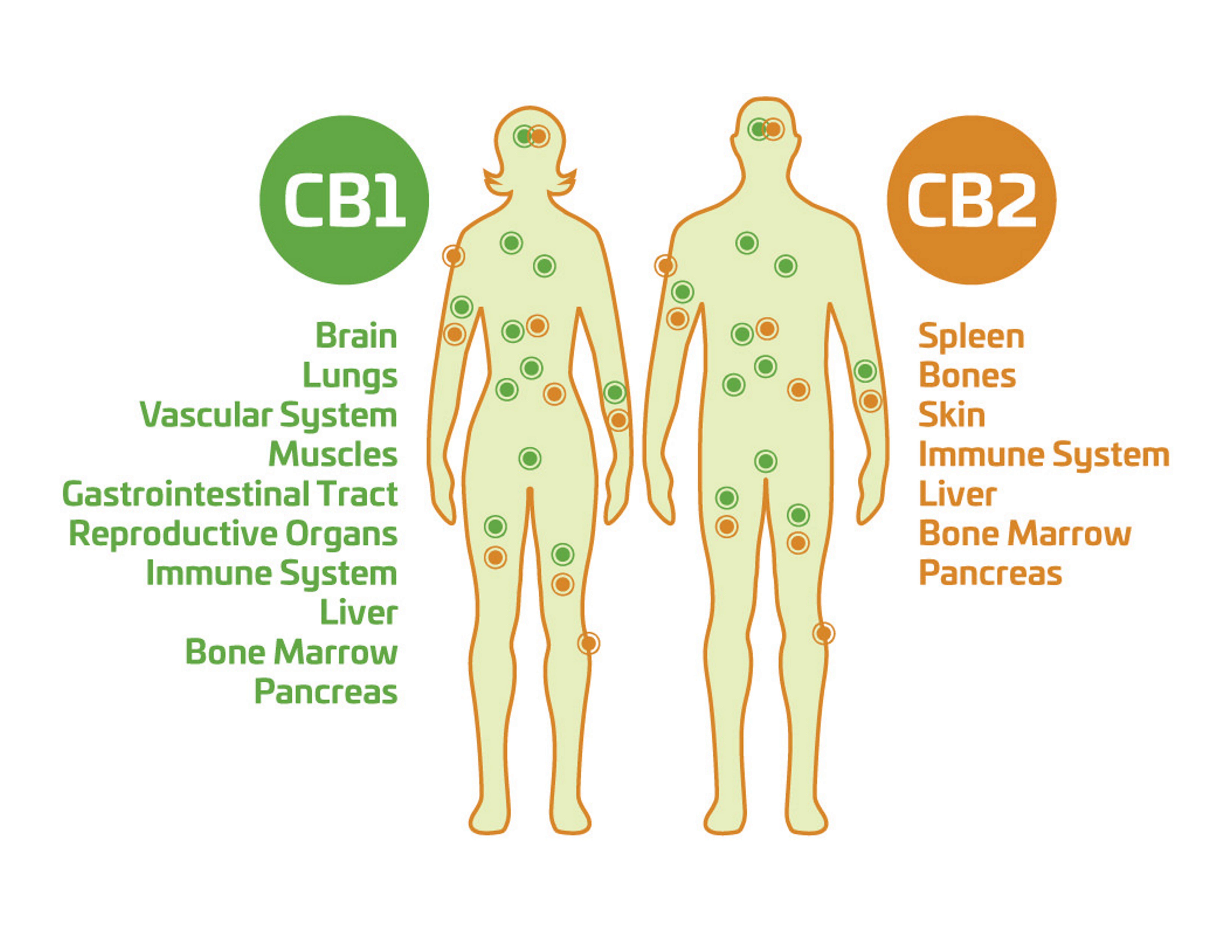
All mammals have an endocannabinoid system, or ECS. This system includes endocannabinoids, receptors, and enzymes that work together to help maintain balance in the body.
The ECS plays an important role in supporting homeostasis, which is the body’s natural ability to maintain internal balance despite daily external stressors.
Researchers continue to study the ECS and its role in overall well-being. Hemp-derived cannabinoids like CBD interact with this system and may help support its natural functions.
A Plant with a Long History
Hemp has been valued for generations for its versatility, sustainability, and natural properties. Today, it continues to be explored for its role in everyday wellness products for people and animals.